A truck or trailer breakdown can turn a routine run through Central Florida into an expensive delay. Whether you are traveling on I-75, making deliveries around Marion County, or moving equipment between local businesses, knowing what happens after you request roadside repair can help you make faster, safer decisions.
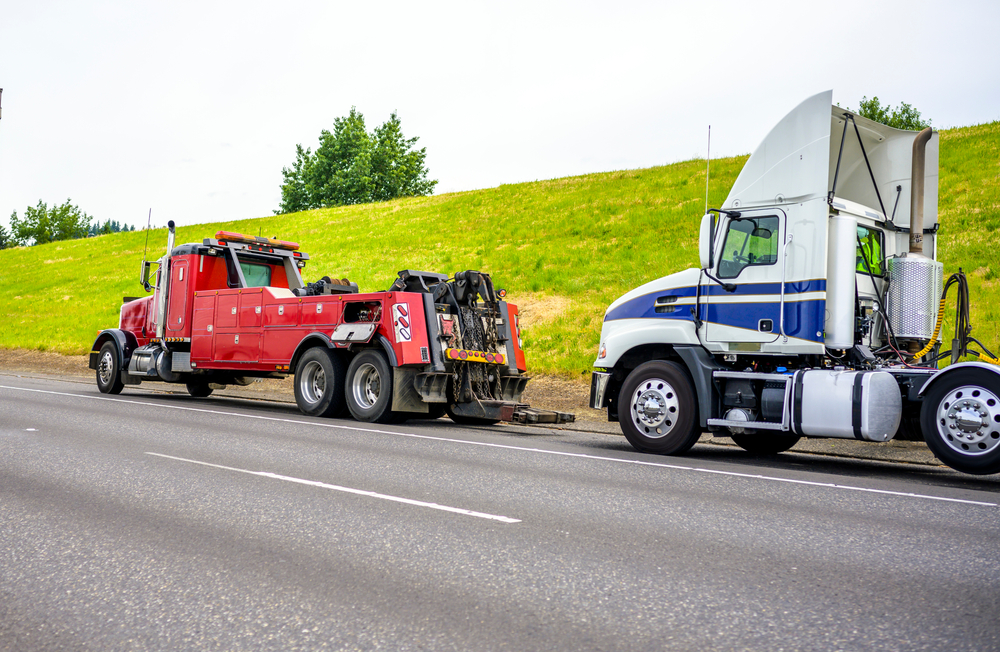
Emergency roadside repair is designed to diagnose problems where your truck or trailer has stopped and complete repairs on-site when the issue can be handled safely. The technician will typically locate your vehicle, assess the immediate problem, determine whether a roadside repair is practical, and work to restore safe operation. More complicated failures may require shop service or towing instead.
What local drivers should know
-
Your first priority after a breakdown should be getting the truck or trailer into the safest available position and communicating your exact location.
-
Drivers along I-75 and major routes through Marion County should provide a highway number, direction of travel, exit number, mile marker, or nearby landmark whenever possible.
-
Roadside repairs commonly focus on problems that can reasonably be diagnosed and corrected without full shop equipment.
-
Florida heat, heavy rain, and afternoon thunderstorms can affect both the breakdown itself and the conditions under which roadside repairs can safely be performed.
-
Having equipment details and a clear description of the problem ready can help the service provider prepare for the call.
Why Do Emergency Roadside Repairs Matter in Ocala?
Emergency roadside repairs matter in Ocala because commercial vehicles regularly move through a combination of interstate traffic, local delivery routes, industrial areas, and surrounding rural roads. A disabled truck or trailer can create lost driving time, missed appointments, cargo delays, and additional mechanical damage if an operator attempts to continue driving with a serious problem.
The I-75 corridor is especially important for commercial traffic traveling north and south through Marion County. Other routes around the area, including US 27, US 301, and US 441, connect drivers with communities such as Belleview, Silver Springs, and nearby parts of Central Florida.
J & M Trailer Repair provides truck and trailer roadside assistance in the Ocala area. After this point, we focus on determining what has failed, whether the problem can be corrected safely at the roadside, and what next step makes the most sense for the equipment.
What Happens When You Call for Roadside Repair?
A roadside repair call usually begins with gathering your location, equipment information, and symptoms so the technician can arrive better prepared to diagnose the problem. Providing specific details from the start can reduce confusion, particularly when you are stopped along a highway, frontage road, distribution area, or less familiar road outside the city.
Be ready to provide information such as:
-
Your exact location and direction of travel
-
Truck, tractor, or trailer type
-
A description of what happened before the vehicle stopped
-
Dashboard warning lights or fault indicators
-
Visible tire, air, electrical, or mechanical problems
-
Whether the truck can move at all
-
Whether the trailer is loaded
Our published roadside services include assistance with belts and hoses, charging and starting systems, jump starts, fuel delivery, tire changes and repairs, air systems, and electrical and lighting problems.
What Problems Can Often Be Repaired on the Road?
Many roadside problems can be addressed without immediately moving the vehicle to a repair shop, provided the location is safe and the required repair can reasonably be completed with mobile equipment. Tire problems, electrical faults, starting issues, air-system concerns, and certain belt or hose failures are examples of issues that may be suitable for roadside service.
The exact repair depends on the failure and the vehicle’s condition.
A dead battery may call for starting-system testing rather than simply another jump. A recurring loss of air pressure may require finding the source of a leak. A tire problem may involve more than replacing rubber if nearby wheel or suspension components have also been damaged.
That diagnosis is an important part of roadside service.
What Warning Signs Should Drivers Take Seriously?
Warning signs should be taken seriously when they suggest that continuing to drive could create a safety problem or turn a smaller repair into additional equipment damage. Drivers in Ocala should stop in a safe location and seek professional assistance when the vehicle is no longer operating normally or safely.
Watch for:
-
Rapid or repeated loss of air pressure
-
A truck that will not crank or start
-
Battery or charging warnings accompanied by electrical problems
-
A blown, flat, or visibly damaged tire
-
Trailer lights or safety lighting that stop functioning
-
Unusual grinding, dragging, or metal-on-metal noises
-
Steam, coolant loss, or a damaged hose
-
A noticeable change in braking, steering, or suspension behavior
Do not continue driving simply to reach a more convenient repair location when the vehicle appears unsafe.
When Should You Call a Professional?
You should call a professional when the truck or trailer cannot operate safely, the cause of the problem is unclear, or the repair involves systems that should not be handled without proper equipment and experience. Roadside troubleshooting should never require a driver to put themselves underneath unsafe equipment or work beside moving traffic.
Basic observations can still be useful.
You can safely note warning lights, look for obvious tire damage from a protected position, check whether trailer lighting is functioning, and describe sounds or symptoms. Problems involving brakes, pressurized air systems, major electrical faults, wheel assemblies, suspension parts, or damaged structural components should be evaluated professionally.
What Common Conditions Lead to Roadside Breakdowns Around Marion County?
Roadside breakdowns around Marion County can result from normal mechanical wear combined with demanding operating conditions such as sustained highway travel, summer heat, moisture, heavy loads, and repeated stop-and-go operation. Preventive maintenance reduces risk, but components can still fail unexpectedly during a route.
Tire problems: Heat, road debris, inflation issues, and ordinary tread wear can all contribute to tire trouble.
Starting and charging issues: Batteries, connections, alternators, and other charging-system components can leave a truck unable to restart.
Air-system problems: Leaks or component failures can interfere with proper operation of commercial vehicle air systems.
Cooling-system trouble: Central Florida heat makes proper cooling-system operation especially important during demanding driving conditions.
Electrical failures: Wiring, connections, and lighting systems are exposed to vibration, moisture, and continuous use.
How Can Drivers Reduce the Chance of an Emergency Repair?
Drivers can reduce roadside emergencies by combining regular preventive maintenance with quick pre-trip checks before traveling through Ocala and the surrounding Central Florida region. Maintenance cannot prevent every failure, but identifying worn tires, weak batteries, damaged hoses, lighting problems, or air leaks before departure can keep many issues from becoming roadside events.
Before a route, check:
-
Tire condition and visible inflation concerns
-
Exterior and trailer lighting
-
Belts and hoses for obvious deterioration
-
Fluid levels appropriate for your equipment
-
Battery connections for visible corrosion or looseness
-
Air pressure behavior
-
Unusual leaks beneath the truck or trailer
Florida’s hotter months place additional stress on tires, batteries, cooling systems, and other components, so seasonal inspections can be especially valuable.
What Results Should You Expect From Roadside Service?
You should expect roadside service to focus first on identifying the problem and determining whether a safe, practical repair can be completed where the vehicle is located. The goal is not to apply a temporary fix at any cost, but to determine the appropriate way to restore operation or move the equipment toward further repair.
Some calls can be resolved on-site.
Others reveal problems that require shop equipment, additional parts, more extensive diagnostics, or towing. A responsible assessment should distinguish between a problem that can safely be addressed roadside and one that should not be driven further.
What Mistakes Should Drivers Avoid During a Breakdown?
The biggest roadside mistakes usually involve creating additional risk or making the mechanical problem worse while trying to save time.
Mistake: Continuing to drive with a serious warning sign.
Consequence: A manageable failure may cause additional component damage or create a safety hazard.
Better approach: Stop at the safest practical location and have the problem evaluated.
Mistake: Giving an incomplete location.
Consequence: The technician may have difficulty finding you, especially outside central Ocala.
Better approach: Provide the road, direction, exit or mile marker, and a nearby landmark when available.
Mistake: Trying an unfamiliar repair beside traffic.
Consequence: Roadside conditions can expose drivers to unnecessary danger.
Better approach: Limit DIY efforts to safe observations and basic checks you are trained to perform.
A Common Local Roadside Scenario
A common local scenario is a commercial driver traveling through Marion County who notices a warning light, loss of air pressure, tire problem, or starting issue during a delivery or interstate run. The truck may be mechanically close to operating but should not continue until the source of the problem is identified.
In that situation, the driver finds the safest available stopping point and reports the location and symptoms. A roadside technician can then evaluate whether the equipment can be repaired where it sits or needs to be moved for more extensive service.
What Roadside Repair Solutions May Be Available?
Roadside repair solutions may include starting-system assistance, tire service, electrical troubleshooting, air-system work, fuel delivery, or repairs involving certain belts and hoses. The correct service depends on what caused the breakdown and whether the repair can be safely completed at the vehicle’s location.
We can also evaluate truck or trailer problems that need further repair after the immediate roadside issue has been addressed.
How Does Roadside Repair Compare With Shop Repair?
Roadside repair is best for problems that can be safely diagnosed and corrected at the breakdown location, while shop repair is better suited to failures that require extensive equipment, disassembly, structural work, or more involved diagnostics. The right choice depends on the condition of the truck or trailer rather than simply which option appears faster.
Roadside service can reduce unnecessary downtime when the repair is straightforward.
Shop service becomes the better option when safely completing the job requires lifts, specialized machinery, substantial parts replacement, or a controlled work environment.
What Areas Can Drivers Encounter Roadside Problems Near Ocala?
Drivers may need roadside assistance throughout Ocala as well as along routes serving Marion County communities such as Belleview, Silver Springs, and surrounding commercial and rural areas. Trucks traveling toward Gainesville, Wildwood, or other Central Florida destinations may also experience problems while passing through the region.
Your exact service options depend on the vehicle’s location and the nature of the breakdown.
What Can Happen If You Ignore a Developing Truck or Trailer Problem?
Ignoring a developing problem can increase downtime, damage related components, or create a larger safety issue later in the route. Something that begins as a weak battery connection, damaged tire, air leak, electrical problem, or cooling-system concern may become more disruptive if the vehicle continues operating without proper diagnosis.
Stopping does not automatically mean a major repair is required.
It gives you a chance to identify the problem before deciding whether the vehicle should return to service.
FAQ
How quickly should I call for roadside repair in Ocala, FL?
Call as soon as you determine that your truck or trailer cannot continue operating safely. Moving an unsafe vehicle simply to avoid stopping can make the problem worse. Once you reach the safest practical location, provide your road, direction of travel, nearby exit or landmark, equipment type, and symptoms.
What information should I provide for an I-75 breakdown near Ocala?
Provide your direction of travel, closest exit or mile marker, truck and trailer information, and a clear description of the problem. If you can safely identify a nearby business, cross street, or landmark, include that as well. Precise location information helps eliminate unnecessary confusion during a roadside call.
Can a flat commercial truck or trailer tire be repaired roadside?
Some commercial tire problems can be handled through roadside tire service, but the appropriate solution depends on the tire’s condition and whether other components were damaged. A technician should determine whether repair or replacement is appropriate rather than assuming every damaged tire can safely return to service.
Can roadside service help if my semi truck will not start?
Yes, certain no-start problems can be evaluated roadside. Possible causes include batteries, connections, charging-system issues, or starting-system components. A jump start may solve some situations, but repeated starting trouble often requires diagnosis so the underlying cause can be identified rather than temporarily bypassed.
Does Florida heat affect commercial truck breakdowns?
Florida heat can add stress to components already experiencing wear, particularly tires, batteries, cooling systems, hoses, and other heat-sensitive parts. Drivers working through Marion County should pay close attention to pre-trip inspections and developing symptoms during hotter periods rather than waiting for a component to fail completely.
Should I drive my truck to a repair shop if the air system is losing pressure?
Do not continue driving if the vehicle cannot maintain the air pressure required for safe operation. Air-system issues can affect critical commercial vehicle functions. Stop at an appropriate location and have the problem assessed instead of trying to cover additional miles simply to reach a shop.
What if my trailer lights stop working at night around Ocala?
Treat failed required lighting as a safety issue and arrange for evaluation before continuing when the equipment cannot be operated legally or safely. The problem could involve lamps, wiring, connectors, power supply, or another electrical component. Roadside electrical troubleshooting may identify and correct certain lighting failures.
Is roadside repair always enough to get a truck moving again?
No. Roadside repair works best when the failure can be safely diagnosed and corrected with mobile equipment and available parts. More extensive mechanical, structural, suspension, or component damage may require transportation to a repair facility. The roadside assessment helps determine which option is appropriate.
Get Back on the Road With Help in Ocala
A roadside breakdown does not have to become a guessing game. Knowing your location, recognizing serious warning signs, and having the problem properly diagnosed can help protect your equipment and reduce unnecessary downtime.
Get Your Truck or Trailer Moving Safely Again
We help local commercial drivers determine the right next step when truck or trailer trouble interrupts the route.