
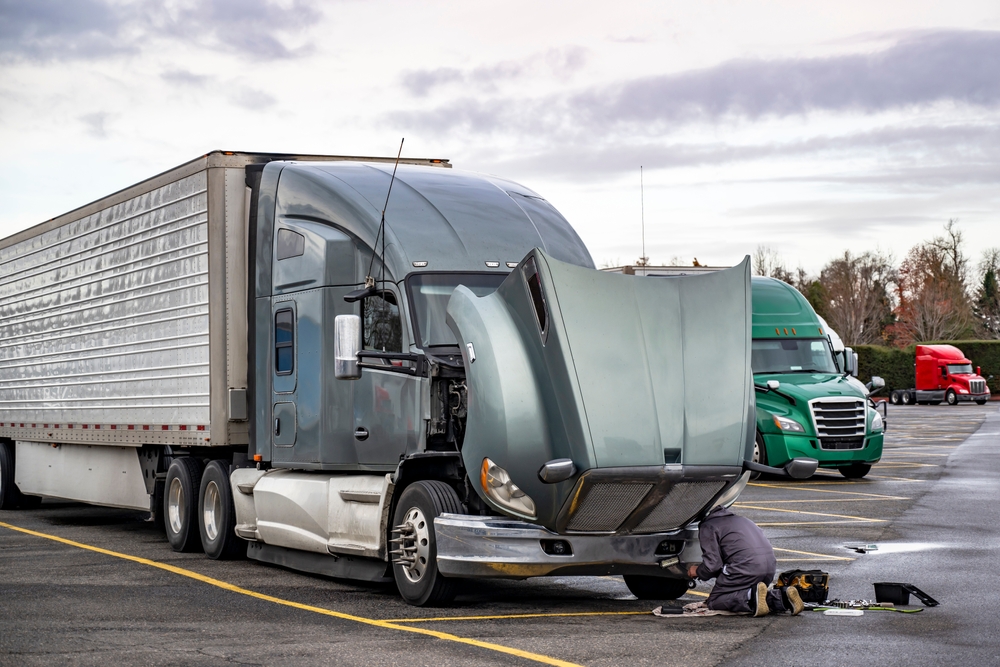
Florida is one of the most demanding states in the country when it comes to keeping commercial vehicles in peak operating condition. The combination of intense heat, relentless humidity, heavy rainfall, and hurricane-season storms creates a maintenance environment unlike anything truckers face in most other parts of the United States. For fleet owners and owner-operators who depend on their rigs for a living, understanding how the Sunshine State’s climate affects their vehicles is not just helpful; it is essential.
Whether you are hauling freight through Central Florida or running routes through Ocala, FL, staying ahead of climate-related wear can mean the difference between a profitable run and a costly breakdown.
How Heat and Humidity Accelerate Engine and Cooling System Wear
Florida’s summer temperatures regularly push into the mid-to-upper 90s, and when you factor in humidity levels that frequently exceed 80 percent, the strain on a diesel engine’s cooling system becomes severe. High temperatures put a significant strain on a diesel truck’s cooling system, making it critical to regularly check coolant levels and ensure the radiator and cooling system are clean and free from debris. Hoses and belts must also be inspected frequently for signs of wear and tear.
Beyond the cooling system, the heat accelerates the breakdown of engine oil far faster than it would in cooler climates. With the heat and heavy-duty use that comes with Florida driving, diesel engines require more frequent oil and filter changes to maintain optimal performance. Skipping or delaying these changes in Florida’s climate is a gamble that often results in premature engine damage. For anyone relying on semi truck repair in Ocala, FL, technicians familiar with Florida’s conditions will stress that oil change intervals should be treated as a non-negotiable part of any maintenance schedule.
The heat also introduces a lesser-known problem: fuel contamination. Florida’s humid climate can contribute to the growth of algae and bacteria in diesel fuel, leading to fuel system contamination. Regular fuel system cleaning and the use of additives are recommended to prevent microbial growth and maintain fuel quality. This issue is far more common in warm, humid states than in colder regions, and it can silently degrade injector performance before a driver even realizes something is wrong.
The Toll of Florida’s Rain and Humidity on Electrical and Hydraulic Systems
Florida’s subtropical climate includes frequent thunderstorms, high humidity, and a hurricane season that intensifies hazards on the road. These conditions do more than create dangerous driving situations. They also introduce moisture into electrical and hydraulic systems in ways that cause gradual but serious damage over time.
High humidity leads to rapid oxidation in electrical connectors, which causes intermittent failures and shorts. In hydraulic systems, moisture can contaminate the fluid, leading to reduced lubrication and damage to pumps and valves. For fleet managers scheduling semi truck repairs in Ocala, FL, addressing these electrical issues before they escalate is a priority that should not be overlooked. Intermittent electrical faults are among the most frustrating and time-consuming problems to diagnose, and Florida’s climate creates the perfect conditions for them to develop.
Tropical weather patterns, characterized by sudden downpours and extreme heat, accelerate the degradation of hydraulic seals and sensitive electrical systems. In industries like construction, waste management, and refrigerated delivery, these environmental factors can turn minor wear into major failures. Staying on a rigorous inspection schedule for seals, connectors, and fluid quality is the most effective defense against these climate-driven failures.
Tire Wear and Blowout Risks on Florida’s Sun-Scorched Roads
Tires are one of the most vulnerable components on any semi-truck operating in Florida, and the reasons go beyond simple mileage. Florida’s high temperatures can exacerbate minor tire problems, significantly increasing the risk of blowouts. Routine inspections for tread depth, sidewall damage, and air pressure are essential to catch potential issues before they escalate.
The hot pavement and occasional heavy rain in Florida can take a toll on a diesel truck’s tires. Regularly checking tire pressure and tread wear, and rotating tires to ensure even wear and optimal traction, are critical practices for safety and fuel efficiency. When a truck is loaded to capacity and rolling over sun-baked asphalt for hours at a time, the internal temperature of the tire rises even further, making any pre-existing weakness far more likely to cause a failure.
Florida’s geography and climate, known for its high humidity, sudden rainstorms, and flat landscapes, put consistent stress on commercial vehicles. For drivers running regular routes through Central Florida and seeking semi truck repair in Ocala, FL, having tires inspected and rotated by experienced technicians is a straightforward step that pays dividends in both safety and operating costs.
Corrosion, Rubber Degradation, and Structural Wear
One aspect of Florida’s climate that is often underestimated is its impact on a truck’s frame, chassis, and rubber components. The constant presence of salt air and high humidity creates a relentless corrosive environment for a truck’s chassis and exposed components. Coastal routes amplify this problem, but even inland areas of Florida are not immune, since humidity alone is enough to drive oxidation across metal surfaces over time.
In Florida’s climate, rubber components can deteriorate faster, so paying special attention to bushings and seals is important. Electrical system connections should also be examined regularly for corrosion, which can develop quickly in the coastal environment. For a semi-truck that is already putting hundreds of thousands of miles on its frame, the accelerated corrosion that comes with operating in Florida can shorten the usable lifespan of critical structural components significantly.
Brake systems deserve special attention in this context as well. The brake system requires particular attention, with checks for brake pad thickness and any unusual wear patterns included in a thorough monthly inspection schedule. Florida’s flat roads mean brakes are not under the same mountain-grade stress they would be in other parts of the country, but the combination of humidity, heat, and frequent stop-and-go urban traffic still creates considerable wear over time.
Building a Florida-Ready Maintenance Schedule
Given everything Florida’s climate throws at a commercial truck, a reactive maintenance approach is never enough. Fleet owners who rely on semi truck repairs in Ocala, FL and across Central Florida need a proactive, structured schedule that accounts for the specific demands of the region.
Every three months, a comprehensive service should be scheduled that includes oil changes, thorough brake inspections, and suspension system checks. This is also the time to rotate tires and have alignment checked. Monthly checks should focus on electrical connections, brake components, and rubber seals, while weekly walkarounds should cover tire pressure, visible fluid leaks, and windshield integrity. Small chips or cracks in a windshield can spread in the Florida heat, so catching them early prevents a minor repair from becoming a full replacement.
Partnering with a shop that understands Florida’s specific climate conditions is not just a convenience; it is a smart business decision. More frequent fluid changes and electrical terminal cleanings are recommended to combat the specific environmental challenges that come with operating in a tropical climate. Technicians who have experience with semi truck repair in Ocala, FL are well-positioned to identify the kinds of wear patterns that are unique to Florida-based fleets and to recommend service intervals that match the actual conditions those trucks are operating in.
Conclusion
Florida’s climate is unforgiving for commercial vehicles. From the heat that stresses cooling systems and tires to the humidity that corrodes electrical connections and contaminates fuel, every system on a semi-truck faces accelerated wear in this state. Building a maintenance schedule tailored to Florida’s conditions, and working with experienced professionals who specialize in semi truck repairs in Ocala, FL, is the most reliable way to protect your investment, keep your trucks on the road, and avoid the costly downtime that comes with unexpected breakdowns.