
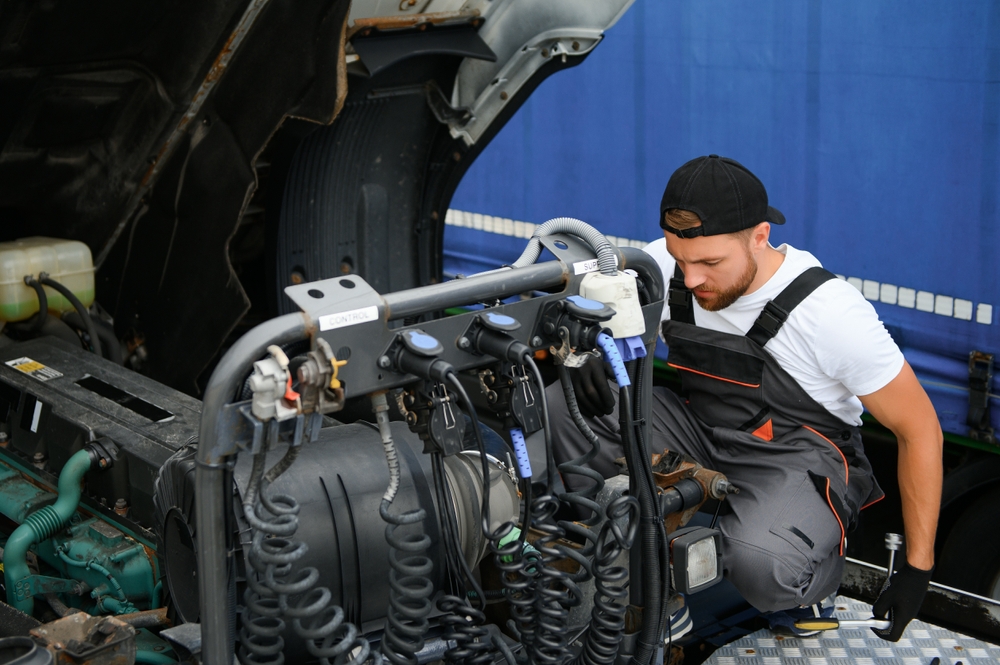
Ocala, Florida sits in a region where weather can shift dramatically throughout the year, creating unique demands on commercial vehicles that travel through or operate within the area. For fleet owners and owner operators alike, understanding how the local climate impacts truck performance is essential to avoiding costly breakdowns and unscheduled semi truck repair visits. From scorching summer heat to sudden tropical storms, the elements take a toll on tires, engines, cooling systems, and electrical components.
This blog explores the specific seasonal challenges that affect semi truck maintenance in Ocala, FL, and offers guidance on how drivers and fleet managers can stay ahead of these issues.
Summer Heat and Engine Strain
Florida summers are notorious for their intense heat and humidity, and Ocala is no exception. Temperatures regularly climb into the 90s, with humidity levels that can make the heat feel even more oppressive. For semi trucks, this combination puts significant stress on engine cooling systems, batteries, and tires.
When ambient temperatures rise, engines have to work harder to dissipate heat. Cooling systems that are already weakened by old coolant, a failing radiator, or a worn out fan clutch are more likely to fail during the hottest months. Overheating can lead to warped cylinder heads, blown gaskets, and other expensive repairs if not caught early. Routine coolant flushes and inspections of hoses, belts, and radiators become especially important heading into the summer season.
Batteries also suffer in extreme heat. While most people associate battery failure with cold weather, high temperatures actually accelerate the chemical reactions inside a battery, leading to faster degradation and shorter lifespans. Drivers who notice slow cranking or dimming lights during the summer should have their battery and charging system tested promptly to avoid being stranded.
Tires are another area of concern. Hot pavement combined with heavy loads increases tire pressure and heat buildup, raising the risk of blowouts. Regular tire pressure checks, especially during long hauls through central Florida, can help prevent dangerous tire failures. Fleet managers operating out of Ocala, FL should prioritize summer readiness inspections that include cooling system checks, battery testing, and tire pressure monitoring before the heat of the season sets in.
Hurricane Season and Sudden Weather Shifts
Florida’s hurricane season runs from June through November, and Ocala, while inland, is not immune to the effects of tropical storms and heavy rainfall. Sudden downpours, high winds, and flooding can create hazardous driving conditions and put additional strain on a truck’s braking, electrical, and suspension systems.
Wet roads increase stopping distances, and worn brake pads or rotors become a serious safety hazard during these months. Drivers should have their braking systems inspected regularly, paying close attention to brake fluid levels, pad thickness, and any unusual noises or vibrations when braking. Anti lock braking systems (ABS) should also be tested to ensure they’re functioning correctly, as these systems are critical for maintaining control on slick roads.
Heavy rain can also expose weaknesses in a truck’s electrical system. Water intrusion into wiring harnesses, connectors, or lighting components can cause intermittent electrical issues, including malfunctioning headlights, taillights, or dashboard warning lights. Corrosion from moisture exposure can develop over time, leading to more serious electrical failures down the road. Sealing connectors and inspecting wiring for signs of wear before hurricane season begins can prevent many of these headaches.
Suspension components also take a beating during periods of heavy rain and flooding. Standing water on roadways can hide potholes, debris, and other hazards that can damage shocks, struts, and steering components. After driving through flooded areas, it’s wise to have the undercarriage inspected for any signs of damage or water intrusion into sensitive components.
Winter Cold Fronts and Cold Weather Preparedness
While Ocala doesn’t experience the harsh winters seen in northern states, cold fronts can still bring temperatures down into the 30s and 40s, occasionally dipping below freezing overnight. For trucks that aren’t regularly exposed to cold weather, even a brief cold spell can expose maintenance issues that might otherwise go unnoticed.
Diesel fuel can gel in extremely cold temperatures, clogging fuel filters and causing starting problems. While this is less common in Ocala compared to northern climates, drivers who travel between regions should be aware of fuel additives that prevent gelling, especially if their routes take them through colder areas during winter months.
Cold temperatures also reduce battery efficiency, making it harder for engines to start, particularly if the battery is already weakened from summer heat exposure. This is why year round battery maintenance, rather than seasonal fixes, tends to produce the best results for fleets operating in variable climates like Ocala’s.
Tire pressure also drops in cold weather, as air contracts when temperatures fall. Drivers should check tire pressure regularly during cold fronts, as underinflated tires can lead to uneven wear, reduced fuel efficiency, and increased risk of blowouts once temperatures rise again.
Spring Pollen, Humidity, and Air Filtration Issues
Spring in Ocala brings a different set of challenges, primarily related to air quality and filtration systems. Florida is known for its heavy pollen seasons, and semi trucks operating in or around Ocala during the spring months often see a buildup of pollen and debris in their air filters and HVAC systems.
A clogged cabin air filter can reduce airflow, leading to poor climate control inside the cab and reduced visibility if it affects the defrost system. Engine air filters that become clogged with pollen and dust can reduce engine efficiency and fuel economy, as the engine has to work harder to draw in air for combustion.
Spring also tends to bring fluctuating humidity levels, which can affect how a truck’s air conditioning system performs. AC systems that were running fine during cooler months may begin to show signs of weakness as humidity rises, particularly if refrigerant levels are low or if there are leaks in the system. Having the AC system inspected and serviced before the peak of spring and summer humidity can help avoid uncomfortable cab conditions for drivers on long routes.
Additionally, spring rains following dry winter months can wash road grime, oils, and debris onto highways, creating slippery conditions during the first rains of the season. Brake systems and tires should be inspected after long dry spells, as the buildup of debris on roadways can affect traction once rain returns.
Year Round Maintenance Strategies for Ocala Fleets
Given the variety of seasonal challenges that Ocala’s climate presents, fleet managers and owner operators benefit most from a proactive, year round maintenance approach rather than reacting to problems as they arise. Establishing a regular inspection schedule that adjusts focus based on the season can help catch issues before they become major repairs.
For example, scheduling cooling system inspections in late spring before summer heat arrives, brake and electrical inspections before hurricane season, and battery and tire checks before cold fronts in winter can help distribute maintenance needs throughout the year rather than concentrating them all at once. Working with a trusted provider for semi truck repairs in Ocala, FL who understands these local climate patterns can make a significant difference in how well a fleet performs throughout the year.
Keeping detailed maintenance records also helps identify patterns over time. If a particular truck consistently has issues during certain seasons, this information can guide more targeted preventative maintenance for that vehicle going forward.
Staying Ahead of the Seasons
Ocala’s climate presents a unique combination of challenges for semi truck maintenance, from intense summer heat to hurricane season rains, occasional winter cold fronts, and spring pollen buildup. By understanding how each season affects different truck systems, fleet managers and drivers can take a proactive approach to maintenance. Partnering with an experienced provider for semi truck repair in Ocala, FL ensures that trucks stay road ready no matter what the Florida weather brings.