
Operating a semi truck in Florida presents a unique set of challenges that drivers and fleet managers in other parts of the country rarely have to consider. The combination of intense heat, high humidity, sudden torrential downpours, and salty coastal air creates conditions that can accelerate wear on nearly every component of a commercial vehicle. For trucking companies and owner operators based around Ocala, FL, understanding how this climate affects their equipment is the first step toward preventing costly breakdowns and extending the life of their trucks.
Regular semi truck maintenance is not just a recommendation in this environment, it is a necessity for anyone who wants to keep their rigs on the road and avoid expensive semi truck repairs.
How Florida Heat and Humidity Affect Semi Truck Components
Florida summers routinely bring temperatures into the 90s, with heat indexes that feel even higher due to the state’s notorious humidity. This combination puts extra strain on a truck’s cooling system, engine, and tires. Radiators and coolant systems have to work harder to keep engine temperatures within safe ranges, and any existing inefficiencies, such as a slow coolant leak or a worn fan clutch, become magnified when the ambient temperature is already pushing the system to its limits.
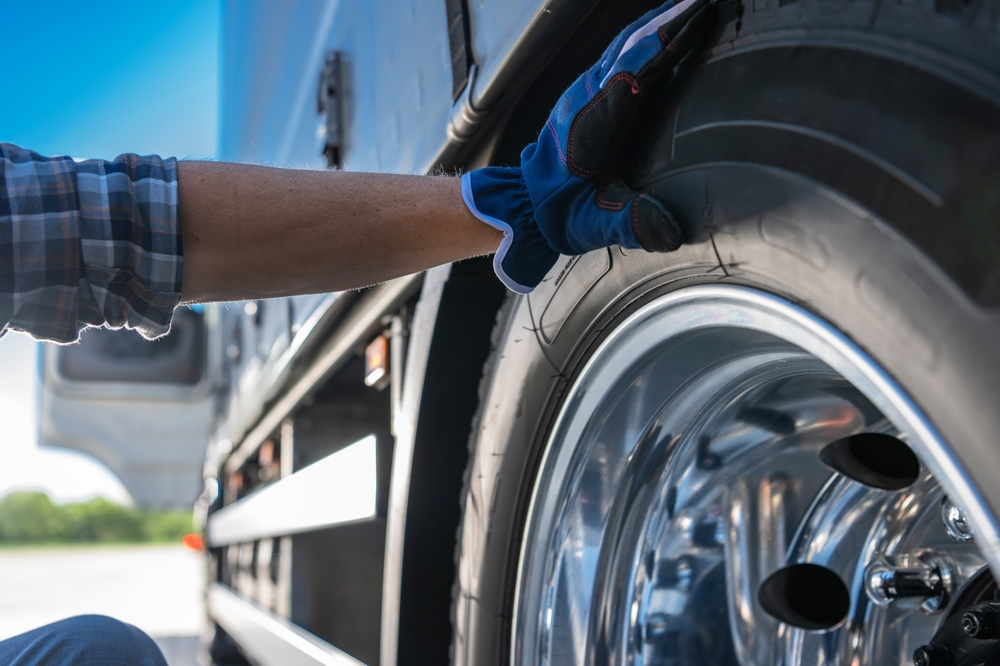
Tires are another major concern. Heat causes the air inside tires to expand, which increases pressure and can lead to blowouts if tires are already underinflated, overinflated, or worn unevenly. Hot asphalt also softens rubber compounds over time, making tires more susceptible to damage from road debris and potholes. Drivers running routes through central Florida, including the area around Ocala, FL, often find that tire issues are among the most common reasons for unplanned stops at a semi truck repair shop.
Humidity adds another layer of complexity. Moisture in the air can accelerate corrosion on electrical connections, battery terminals, and metal components under the hood and chassis. Belts and hoses made of rubber or composite materials can degrade faster when exposed to consistent moisture combined with heat, becoming brittle or cracking sooner than they would in a drier climate. Routine inspections that catch these issues early can prevent a minor problem from turning into a major repair bill down the road.
The Impact of Sudden Storms and Heavy Rainfall
Anyone who has spent time in Florida knows that the weather can change in a matter of minutes. A sunny morning can give way to a sudden afternoon thunderstorm with heavy rain, high winds, and even hail in some cases. These rapid shifts in weather conditions create specific maintenance demands for semi trucks.
Windshield wipers, for example, need to be in excellent condition year round. A wiper blade that works fine during a light drizzle may not be able to keep up with the volume of water during a typical Florida downpour, which can severely limit visibility and create a dangerous situation for drivers. Headlights, taillights, and reflective markings also need regular checks, since reduced visibility during storms makes these components critical for safety.
Braking systems deserve particular attention as well. Wet roads increase stopping distances, and a truck with worn brake pads, low brake fluid, or an imbalance in the braking system is at much higher risk during sudden rain events. Drainage and water management on the truck itself matter too. Clogged drains in the cab or sleeper area can lead to water intrusion, which over time may cause electrical issues, mold growth, or damage to the interior. Fleet managers who schedule consistent inspections are better positioned to catch these issues before a storm turns a minor oversight into a roadside emergency.
For truck operators based near Ocala, FL, where afternoon storms are a near daily occurrence during the wet season, staying ahead of these maintenance items through proactive semi truck repairs can mean the difference between staying on schedule and losing a full day to an avoidable breakdown.
Battery, Electrical, and Air Conditioning Concerns in Hot Weather
It might seem counterintuitive, but extreme heat is actually harder on batteries than cold weather is. The chemical reactions inside a battery speed up in high temperatures, which can cause the battery fluid to evaporate faster and lead to internal damage over time. This means that batteries in Florida often have a shorter overall lifespan compared to those used in cooler climates, even if they are never exposed to freezing temperatures.
Alternators and charging systems also work overtime in hot weather, partly because of the increased electrical load from air conditioning systems running constantly. Speaking of air conditioning, a functioning AC system in a semi truck is not just about driver comfort, it is often essential for safety. Drivers who spend long hours in a cab without reliable air conditioning during a Florida summer face a real risk of heat exhaustion or heat related illness, which can affect alertness and reaction time on the road.
Regular maintenance checks should include testing battery health, inspecting belts and connections related to the charging system, and verifying that the air conditioning system is operating efficiently. Refrigerant levels, condenser cleanliness, and compressor function are all areas that a qualified semi truck repair technician can evaluate to ensure the system is ready to handle months of sustained high temperatures.
Engine, Fluid, and Filter Maintenance Tailored to Florida Conditions
The engine and its supporting systems bear a significant portion of the burden when operating in hot, humid conditions. Engine oil breaks down faster at higher temperatures, so sticking to manufacturer recommended oil change intervals, or even shortening them slightly for trucks that operate primarily in extreme heat, can help protect engine components from premature wear.
Air filters and cabin filters also deserve more frequent attention in Florida. The state’s environment includes a mix of road dust, pollen, salt air near coastal routes, and general airborne debris that can clog filters faster than in drier regions. A clogged air filter forces the engine to work harder, reducing fuel efficiency and increasing the risk of overheating.
Diesel exhaust fluid (DEF) systems are another area where heat can cause complications. DEF can degrade more quickly when stored or used in high temperature conditions, and using degraded DEF can trigger fault codes or reduce the effectiveness of emissions control systems. Checking DEF quality and storage conditions should be part of any comprehensive maintenance routine for trucks operating in Florida.
Transmission fluid and differential fluids should also be checked regularly, as heat can affect their viscosity and lubricating properties. A truck that is well maintained in these areas is far less likely to experience the kind of gradual engine degradation that leads to major, expensive repairs. Working with a trusted provider of semi truck repairs near Ocala, FL, for these routine fluid and filter services can help fleet operators stay ahead of problems rather than reacting to them after a breakdown occurs.
Building a Maintenance Schedule That Works for Florida Operators
Given everything Florida’s climate throws at commercial vehicles, having a structured, proactive maintenance schedule is essential rather than optional. This means going beyond the standard manufacturer recommendations and adjusting service intervals to account for the added stress that heat, humidity, and frequent storms place on a truck’s systems.
A good schedule should include more frequent tire pressure checks and tread inspections, especially during the hottest months. Cooling system flushes and inspections should happen on a tighter timeline, and battery testing should be incorporated into routine service visits rather than waiting for a battery to fail. Brake system inspections, wiper blade replacements, and AC system checks should all be timed to align with seasonal weather patterns, ensuring the truck is ready before the rainy season or peak summer heat arrives.
Partnering with a reliable local shop that understands these regional challenges makes a significant difference. A technician familiar with semi truck repair in Ocala, FL, will already understand which components tend to fail first in this climate and can tailor an inspection checklist accordingly, rather than applying a generic, one size fits all approach.
Keeping Your Fleet Road Ready in Florida
Florida’s climate is demanding, but with the right maintenance approach, semi trucks can perform reliably year round. Staying ahead of heat related wear, storm related risks, and the unique fluid and filter needs of this environment helps fleet operators avoid downtime and costly repairs. For those operating in and around Ocala, FL, building a relationship with a dependable local repair shop that understands these regional factors is one of the smartest investments a fleet manager can make.